Find air duct cleaning in chicago for reliable solutions to remove dust, debris, and allergens
Find air duct cleaning in chicago for reliable solutions to remove dust, debris, and allergens
Blog Article
Air Duct Cleaning: Inhale Easier With These Crucial Tips
Air duct cleaning is essential in maintaining a clean indoor environment. It helps remove contaminants, dust, and allergens that can affect air quality. Identifying when ducts need attention is vital for optimal HVAC performance. Homeowners often miss the tools and techniques required for thorough cleaning. Learning about these aspects can greatly impact energy savings and comfort. What steps should one take to guarantee cleaner air and a more efficient system?
How Air Duct Cleaning Boosts Your Health
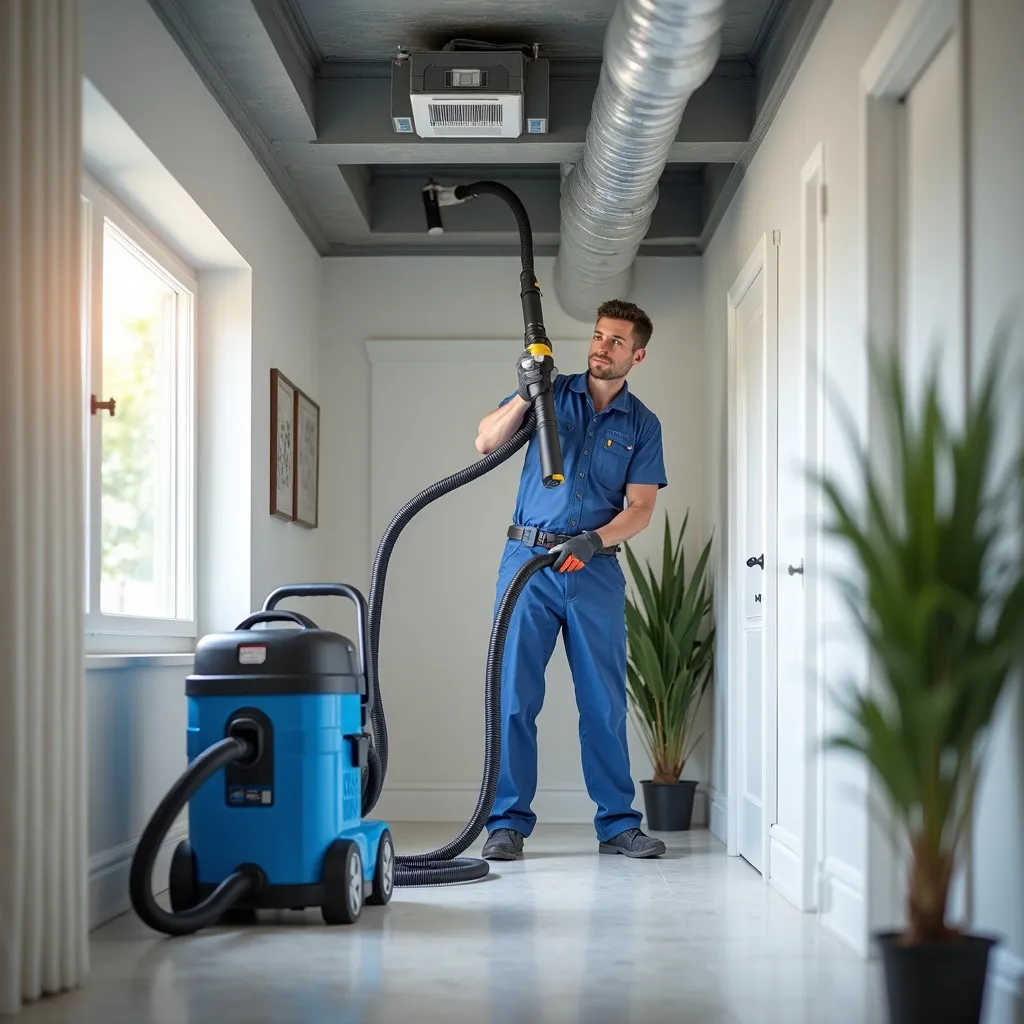
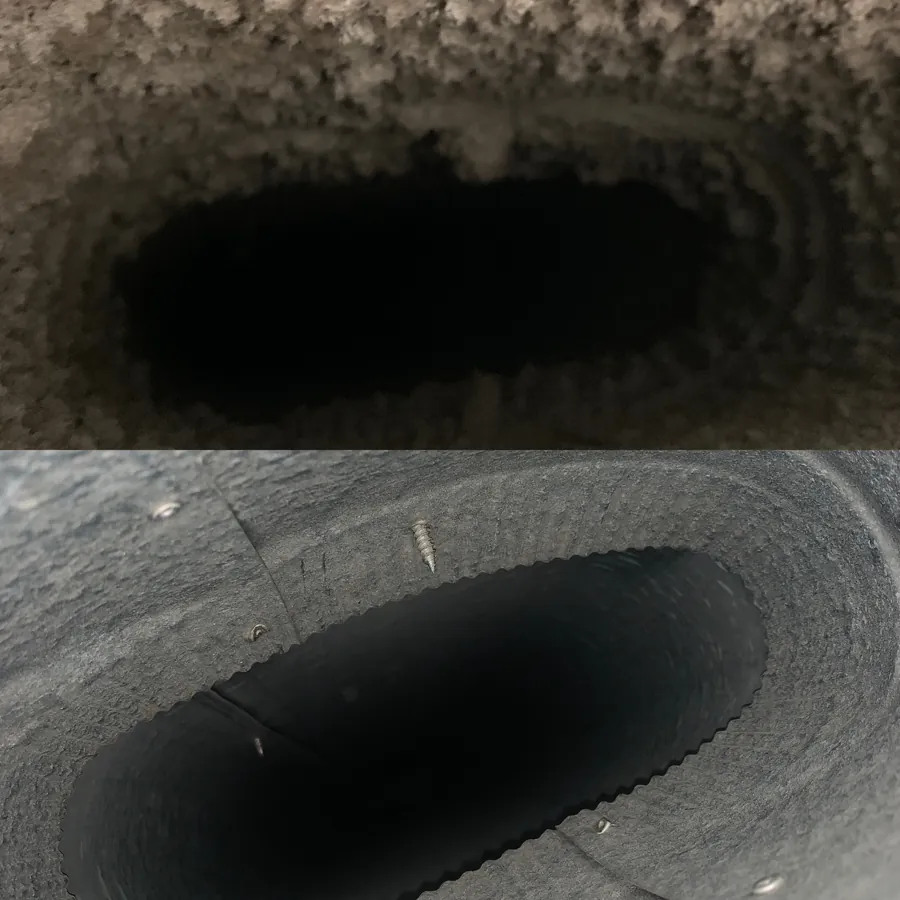
Air duct cleaning greatly enhances indoor air quality, resulting in better wellness for residents. Over time, dirt, irritants, and harmful particles build up in the ductwork, moving throughout the air. This accumulation can worsen respiratory issues, allergies, and other health problems. By removing these impurities, air duct cleaning decreases the likelihood of airborne diseases and encourages a more salubrious home setting.
Furthermore, well-maintained air ducts can enhance the output of heating and cooling systems, producing more consistent temperatures and lower energy consumption. This contributes to overall ease while also minimizing exposure to detrimental pollutants that can be released when systems are poorly maintained.
Regular maintenance of air ducts guarantees that clean, fresh air flows throughout the home, promoting better sleep, higher energy levels, and overall well-being. Ultimately, maintaining clean air ducts is an crucial step in safeguarding the health of all occupants.
Warning Signs Your Ducts Need Cleaning?
Air duct upkeep is vital for maintaining a healthy living environment. Homeowners must be conscious of several symptoms that suggest duct cleaning is essential.
One prominent indicator is visible dust or debris around vents or the air filter, pointing to accumulated dirt within the ducts. In addition, if occupants encounter increased allergy symptoms, such as sneezing or congestion, it may signal that pollutants are circulating in the air.
Unpleasant odors coming from vents can also indicate mold expansion or stagnant debris. Furthermore, if the HVAC system is running poorly, needing frequent repairs or resulting in inconsistent temperatures, dirty ducts might be the culprit.
Finally, an rise in utility costs might reflect a blocked unit having difficulty distributing air properly. Identifying these indicators can help ensure prompt maintenance and maintain optimal interior air conditions.
DIY Air Duct Cleaning Tools You Must Have
Sustaining clean air ducts requires the right equipment to confirm effective DIY cleaning. Crucial tools for this process encompass a vacuum apparatus equipped with a HEPA filter, which collects small particles and allergens.
A assortment of brushes, specially crafted for duct cleaning, helps remove dirt and particles from the walls of ducts. Furthermore, a light source is essential for examining shadowy spaces in the duct system, ensuring complete cleanliness.
Protective equipment, such as gloves and a respirator, is vital to guarantee safety while handling dust and potential contaminants. A screwdriver set is also required for taking off vent covers and access panels.
A wet fabric can ultimately be used to wipe vent surfaces once cleaning is done. Together, these implements make a comprehensive kit for anyone wanting to address air duct care effectively and safely.
Collect Important Tools
Obtaining the appropriate tools is indispensable for an successful air duct cleaning operation. A superior vacuum cleaner with a HEPA filter is vital for removing dust and allergens.
A set of brushes, including a long-handled duct brush, helps in dislodging debris from the duct walls. Flexible duct cleaning rods can increase reach and enable access to hard-to-reach areas. Also, having a flashlight allows for thorough inspection of the ducts' interiors.
Protective gear, including gloves and masks, ensures safety during cleaning. Finally, a step ladder may be necessary for accessing higher vents.
Prepare Your Space
A carefully prepared space is essential for an efficient air duct cleaning process. First, the area around vents should be cleared of items and obstructions to allow for easy access. This helps avert any injury to belongings and ensures a detailed cleaning.
Next, homeowners should seal supply vents with plastic sheeting to contain dust and debris during the process. It is also advisable to turn off the HVAC system to avoid circulating contaminants.
Finally, positioning a vacuum with a HEPA filter nearby can assist in trapping any particles dislodged during cleaning. By taking these measures, individuals establish an optimal setting that facilitates effective air duct cleaning and improves overall results.
Completely Clean Ducts
Before undertaking the air duct cleaning process, it's necessary for homeowners to understand the methodical steps that ensures thoroughness and effectiveness.
First, one should gather necessary tools, including a vacuum, brushes, and microfiber cloths. Next, turn off the HVAC system to ensure safety.
Next, remove the vent covers and clean them with warm soapy water. With a vacuum, cautiously remove dust and debris from the ducts. For deeper cleaning, use duct brushes to eliminate stubborn particles.
Once you finish cleaning, reinstall the vent covers and replace the air filter. Finally, turn the HVAC system back on and check for any unusual sounds.
Opting for a Seasoned Air Duct Purification Service
How can one secure that they choose a reliable air duct cleaning service? First, it is essential to examine potential providers comprehensively. Verifying for qualifications, such as those from the National Air Duct Cleaners Association (NADCA), confirms clients of adherence to industry standards.
Next, getting multiple estimates enables a comparison of offerings and pricing. A reliable business will conduct a comprehensive inspection before providing an quote, avoiding any misleading budget deals.
Additionally, ask regarding the techniques and tools employed; a trusted service will utilize cutting-edge tools and techniques.
Finally, confirm the company has appropriate coverage and is bonded, protecting clients from potential damages.
Methods to ensure spotless Air Ducts Every Year
Maintaining spotless air ducts consistently is critical for ensuring healthy air circulation indoors and system efficiency. Regular inspections are necessary; residents should inspect ducts for dust and debris gathering every few months.
Premium air filtration systems can markedly diminish pollutants when employed, since these filters trap smaller particles that conventional filters could miss. It is wise to change these filters at least every three months or per the manufacturer recommendations.
Moreover, decreasing internal air pollution can help with preserving duct cleanliness. This involves minimizing activities generating dust, such as tobacco use or burning specific additional info candles, and ensuring appropriate ventilation when using cleaning products.
Routine upkeep of the home, including vacuuming and dusting, helps decrease the amount of dust that could penetrate the ducts. Finally, booking a professional cleaning every few years can further guarantee that air ducts stay clear of dangerous deposits, encouraging a cleaner indoor space.
Air Duct Cleaning: Costs vs. Benefits
Analyzing the strengths and weaknesses of air duct cleaning shows critical insights for homeowners. The beginning cost typically amounts from $300 to $1,000, influenced by factors like the size of the home and the difficulty of the duct system.
Although this can appear considerable, the potential benefits often exceed the costs. Clean air ducts can improve indoor air quality, decreasing allergens and irritants. This may result in fewer respiratory issues and lower healthcare costs over time.
Moreover, a well-maintained air duct network can optimize HVAC effectiveness, possibly cutting energy bills by 10-30%. Homeowners should also consider the durability of their HVAC systems.
Periodic cleaning can enhance the lifespan of the equipment, limiting the want for premature replacements. Ultimately, assessing the preliminary costs against long-term health benefits and energy cost savings can facilitate homeowners establish knowledgeable choices with respect to air duct cleaning.
Popular Questions Posed Regularly
How Many Times Should I Clean My Air Ducts?
Experts recommend maintaining your air duct system every three to five years. However, elements like pets, allergies, or recent renovations may require more frequent cleanings. Regular maintenance ensures improved air quality and system efficiency for peak performance.
Should I Clean My Air Ducts Without Hiring Professionals?
It's feasible to clean ducts without professional help, yet DIY approaches may not ensure complete results. Proper tools and techniques are necessary for thorough duct cleaning, making expert services regularly a more reliable choice for optimal air quality.
What Possible Risks Do Soiled Air Ducts Present?
Filthy air ducts can produce inferior indoor air quality, elevating allergens and pollutants. This might cause respiratory issues, allergies, and overall discomfort. Additionally, collected debris can diminish HVAC efficiency, heightening energy costs.
Do Ductwork Purification Experts Come with Guarantees?
Many air duct cleaning services do provide guarantees, ensuring client contentment. These warranties often cover the standard of service delivery, delivering reassurance that the service will meet particular requirements and resolve any problems that arise after the cleaning process.
Is Air Duct Sanitizing a Valuable Investment?
Putting money into cleaning your air ducts can prove worthwhile, as it improves the quality of air inside your home, enhances HVAC efficiency, and may extend system lifespan. Homeowners often experience noticeable improvements, making it a wise choice for many.
Report this page